Built Different, NOT Built Broken
Institutions love standard molds. If you cannot process flat text in neat linear boxes at factory speed, they stamp you with a defect and file you under broken goods.
On the 15th of July 2009, the Child Health Service at Kings Mill Hospital completed a formal home assessment and concluded: Atypical Autism. On the 6th of January 2025, the British Dyslexia Association confirmed the other half: Dyslexia. Both are documented in the official clinical records. To a system built for one kind of brain, that looks like a double disability. It is not.
Dyslexia is not a broken reading engine. It is a blueprint mapper. It sees the whole layout at once and spots where nodes connect long before others see the bottleneck. John Chambers, the former chief executive of Cisco, describes it on a panel of dyslexic business leaders: dyslexics visualise in three dimensions and put facts together from A to Z, while the people around them fill in D to J (watch the panel).
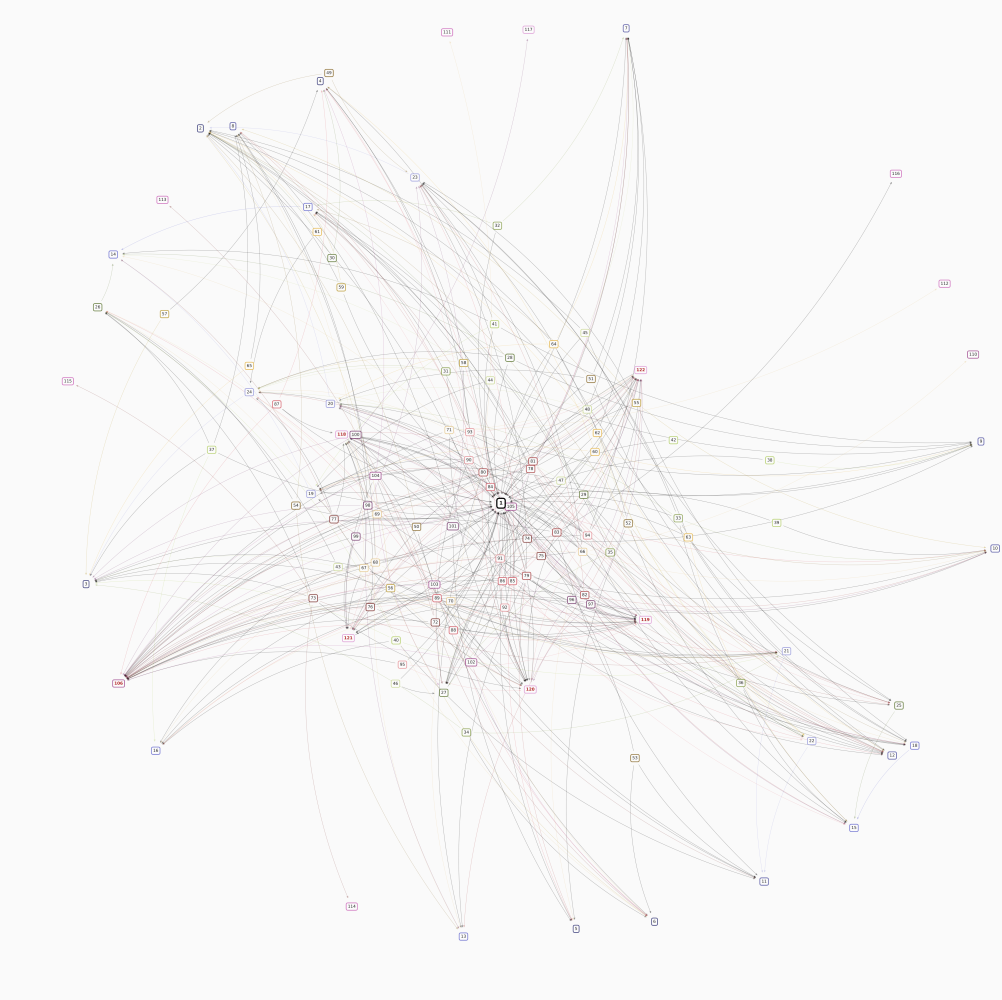
Where dyslexia maps the whole forest, autism can audit every leaf. Dave Plummer, a retired Microsoft operating systems engineer, spent years in the industry before he knew he was autistic. In his talk he lists what it looks like at work: persistence that stops only when the problem is solved, not when the person is tired; strong memory and attention to detail; a love of structure; honesty and reliability. It can run the other way too, bogging down in detail, and he says so (watch the talk). If an input does not match the verified output, the mismatch flashes like a warning light.
Put those two in one head and you do not get a broken worker.
When component management on a plant floor collapsed into verbal requisitions, stockouts, purchasing delays and a bloated footprint, management thought the answer was more office staff or bigger storage. The whole layout was in view, and the front door was the fix. A digital intake portal forced a technical specification and a reason at the point of origin. Obsolete stock went. A local hub for high-volume consumables went in, with visual depletion triggers on the shelves.
The flow of materials was already running as a clear circuit in my head. The plant had to match it.
We were never disabled by our cognitive architecture.
The flow runs on paper first, from the first request to the finished result. Four questions follow at every step: where the need is first recorded, where the item is kept, what sets off the next move, and whether the record matches what is physically there.
Want the full multi-page paper on this method? Email contact@jakkirkland.co.uk with the article name: Built Different, NOT Built Broken.