The Heavy Foundation
The easiest thing a massive institution can do with a non-standard machine is write it off.
Standing up to a wall was not learned behind a fancy office desk. It was learned at seven years old in a hospital waiting room, when the state tried to hand me a wheelchair.
On the 20th of February 2009 the District Wheelchair Service sent a letter saying an appointment had been made for me at the Paediatric Wheelchair Clinic. Authority figures behind desks looked at my loose joints and decided the machine was worn out before it started. The easy default was to take the paperwork, sit in the chair and roll through someone else's world.
Even as a young lad in Nottinghamshire, my gut knew it was a trap. Third parties tried imposing their limits on me. Accept them? No. Never.
By 2013 the weakness came calling with teeth. Severe hypermobility meant the ligaments that should have held my joints were as loose as string. When the Children's Therapy Service checked on the 27th of September 2013, their letter recorded that walking more than about a hundred yards brought on pain, that stairs were a struggle, and that the impression was plantar fasciitis with my gait compensating. Every stride sent a shock up through the ankles, the knees and the hips.
The standard advice was to rest, stay seated and surrender to the fault. Refused the chair.
Turning inwards meant working alone. No gym to show off in. The body was an engine that needed stripping down and rebuilding from raw stock.
A suspension bridge with loose cables is not abandoned. It is braced, with concrete at the pillars and steel bolted on. Loose ligaments cannot hold the bones, so muscle had to take the load.
Calisthenics. Cadets. Martial arts on the mat. Fallen arches rebuilt. Muscle packed round unstable knees. Back and shoulders strengthened until they held under load. It took ten years to reach pain-free operation. Ten years of stepping onto cold floorboards with stiff tendons. Foot by foot. Rep by rep. Stride by stride.
By the end of that decade the lad they wanted to put on wheels was carrying full military bergens across rough ground, sparring on hard floors and standing on his own two feet.
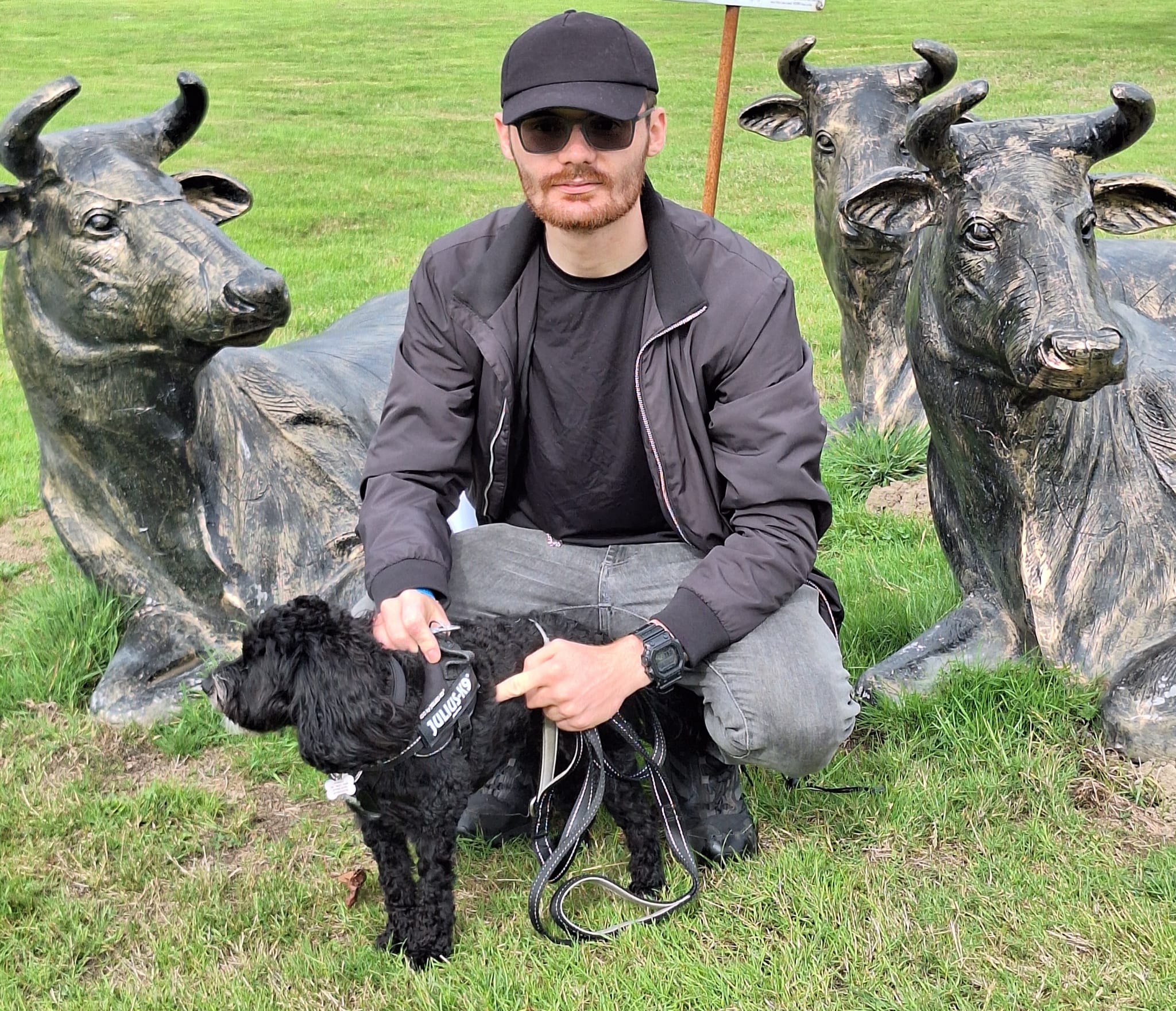
None of it came from seminars, temple retreats or textbooks. It came from ten years of physical pain, cold floorboards, martial arts on the mat and diagnosing live systems under pressure.
That diagnostic instinct came with me onto the factory floor. A production line was stalled by failing legacy test stations. Management and suppliers agreed on the easy answer: equipment exhaustion, replace the whole fleet. They looked at a failing station and saw worn-out metal, exactly like the doctors who looked at my joints and saw a wheelchair.
The machines were not worn out. The fault was a timing mismatch: modern multi-core processors ran so fast they overwhelmed the old software loops and crashed the stations. Clock frequency and core assignments changed at the hardware layer. Standard desktop machines, already due for rotation, tuned to the legacy speed. No new fleet. Then a sit-down with the senior technicians: their undocumented habits pulled out of their heads and turned into a standardised installation script and master build for all eleven stations.
Condition before replacement: the measured fault and its cause, never the label. Preparation and testing away from the live line. The fix on paper, so it outlasts the person who made it.
Want the full multi-page paper on this method? Email contact@jakkirkland.co.uk with the article name: The Heavy Foundation.